

Animals in Occitanie: What You Can Spot, Learn, and Collect
Wildlife of the French Pyrenees, Cévennes and Languedoc: bearded vultures, brown bears, marmots and isard, Jonte gorge vultures, Thau flamingos and garrigue lizards.
Quick answer
Start with the direct answer, then use the sections below to see why the location matters and which animals are actually realistic to spot there.
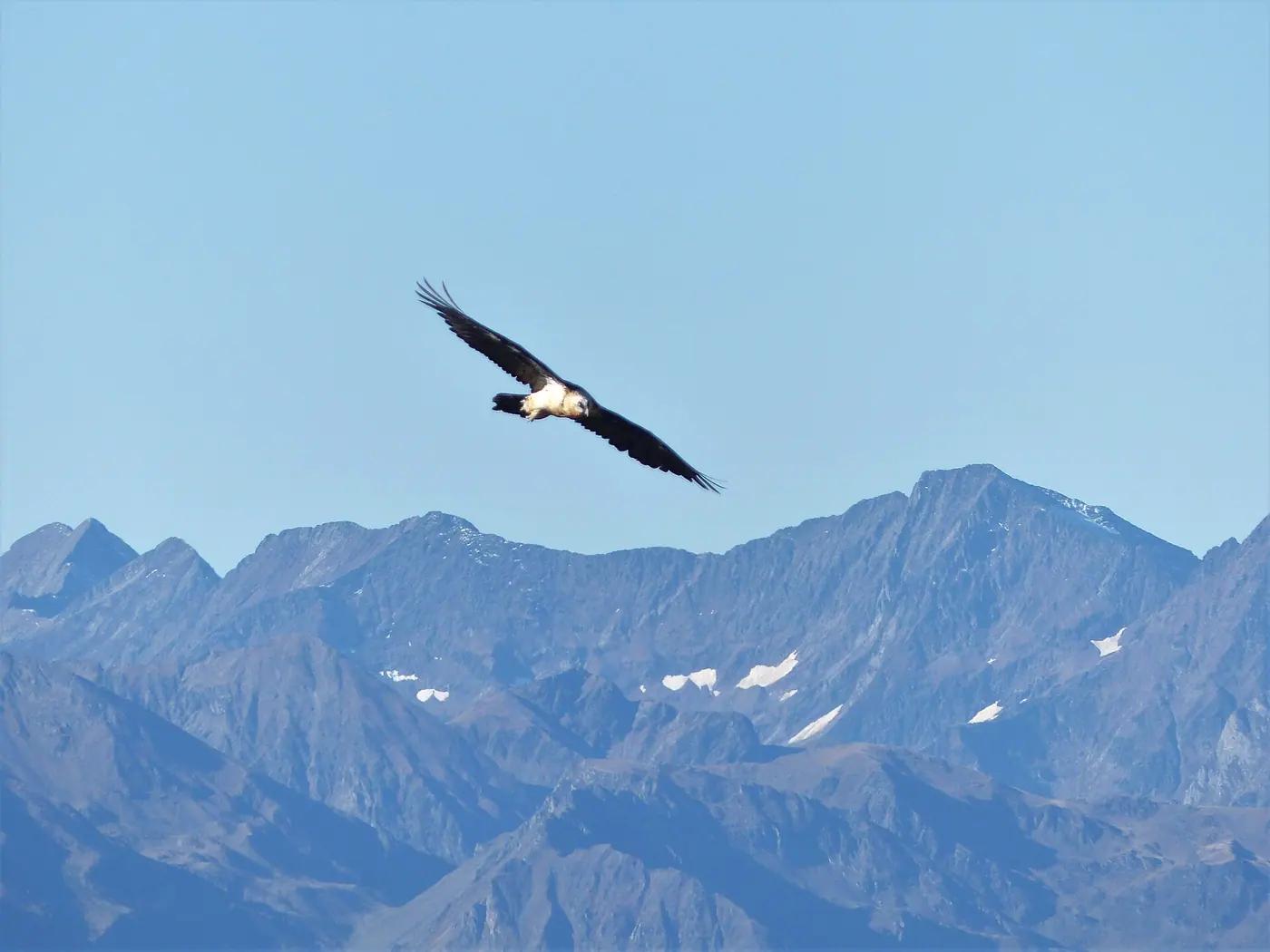
Occitanie has France's wildest mountains. The central Pyrenees hold the country's brown bears, bearded vultures, marmots, isard and the odd Pyrenean desman in the streams; the Cévennes and the Gorges de la Jonte are the great vulture-watching site of France; and the Languedoc lagoons from Thau to Narbonne fill with flamingos, rollers and bee-eaters.
Occitanie stretches from the Spanish border to the Rhone, and the captures reflect that spread: red deer and wolves at the Gramat animal park in the Lot, glossy ibis and bar-headed geese in the Camargue gardoise, snails and crane flies from Toulouse gardens, and mute swans on the Canal du Midi.
The wild highlights sit at the edges. The Pyrenees for big mammals and raptors, the Cévennes and Grands Causses for vultures and mouflon, and the coast for lagoon birds. Pezenas and the Herault garrigue in between are perfect for reptiles and insects on a hot afternoon.
Why this location matters
Good location pages explain why the place is worth your time, not just which names belong on a destination checklist.
The Gorges de la Jonte and Tarn are where griffon vultures were brought back to France in 1981, followed by cinereous vultures in 1992 and bearded vultures in 2012. All four European vulture species can now be seen on one Causse Mejean skyline.
The Pyrenean bear population is Europe's most contested rewilding project, with around 90 animals mostly in Ariege. Seeing a bear is unlikely, but walking in a landscape that holds them is the point.
Where to look
Wildlife map of Occitanie
This guide covers the region shown below. Zoom in to get your bearings before planning a trip.
Positions are geocoded from OpenStreetMap. Habitat access and opening times change — check locally before travelling. Smaller pins are public AnimalDex captures, placed to the nearest kilometre.
Field proof
Found in Occitanie by AnimalDex users
Real captures logged in the AnimalDex app inside this area and shared publicly by their collectors, with the animal confirmed by the app's identification. Places are shown to the nearest region, never the exact spot.
- 26
- public captures
- 21
- species recorded
- 8
- collectors
- 15
- wild sightings
Recent captures from the field
Species people have actually logged here
Every name links to its species guide. The count is how many public captures of that animal sit inside this area.
- Daddy Long-Legs Spider2 captures
- European Rhinoceros Beetle2 captures
- House Fly2 captures
- Red Deer2 captures
- Snail2 captures
- Bar-headed Goose1 capture
- Common Wall Lizard1 capture
- Dark Sword-grass1 capture
- Domestic Horse1 capture
- Eurasian Wolf1 capture
- European Crane Fly1 capture
- Firebug1 capture
- Giant Honey Bee1 capture
- Glossy Ibis1 capture
- Himalayan Monal1 capture
- Indian Peafowl1 capture
- Llama1 capture
- Mealworm Beetle1 capture
- Mute Swan1 capture
- Rainbow Lorikeet1 capture
- Silver Pheasant1 capture
Collectors choose to share these captures on Discover and can withdraw them at any time. Coordinates are rounded to about a kilometre and refreshed with each site build.
Animals to spot
These are intentionally practical species picks, balancing accessibility, excitement, and what travelers can realistically notice in the location.

Bearded VultureB
Never went extinct in the Pyrenees; the Gavarnie cirque, the Cirque de Troumouse and the Neouvielle reserve are the classic places to watch adults drop bones onto rock.
Spotting note: Scarce but reliable with patience at Gavarnie.
Read species guide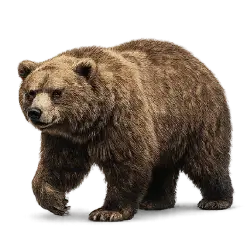
Brown BearA
Around 90 bears live in the central Pyrenees, mostly in Ariege and the Haute-Garonne, from Slovenian releases in 1996 and 2006.
Spotting note: Very rare to see; the Maison de l'Ours at Saint-Lary covers the story.
Read species guide
Alpine MarmotD
Introduced to the Pyrenees from the Alps in 1948 and now whistling from every boulder field above Cauterets and Gavarnie.
Spotting note: Guaranteed above 1,800 m from June to September.
Read species guide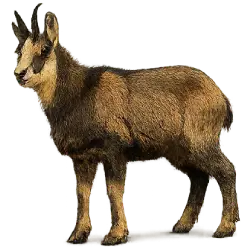
ChamoisC
The isard, the Pyrenean chamois, is a smaller, paler close relative of the Alpine species; herds graze the slopes of the Neouvielle and Orlu reserves.
Spotting note: Reliable at dawn in the Orlu reserve near Ax-les-Thermes.
Read species guide
Pyrenean DesmanD
A mole-like aquatic mammal found only in Pyrenean and Iberian mountain streams, hunting insect larvae at night with a trumpet-shaped snout.
Spotting note: Extremely rare to see; clean fast streams in Ariege at night.
Read species guide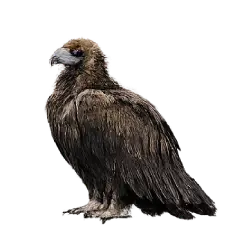
Cinereous VultureB
Reintroduced to the Gorges de la Jonte in 1992; Europe's biggest raptor soars with the griffons over the Causse Mejean.
Spotting note: Uncommon; the Belvedere des Vautours at Le Truel is the place.
Read species guide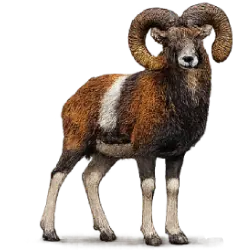
MouflonC
The Caroux-Espinouse massif above Lamalou-les-Bains holds around 1,500 mouflon, France's largest herd, on open heath and rocky slopes.
Spotting note: Reliable from the Caroux viewpoints at dawn and dusk.
Read species guide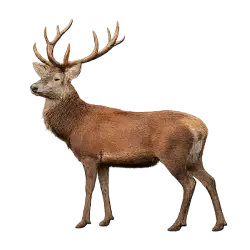
Red DeerB
Big herds rut in the Cévennes and the Aigoual forests each autumn, and the species is among the most captured in Occitanie.
Spotting note: Easy in late September at forest edges; guaranteed at Gramat.
Read species guide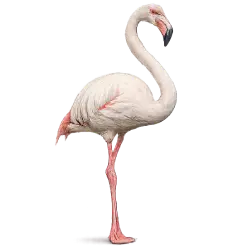
Greater FlamingoC
The Thau lagoon, the Narbonne etangs and the Bages-Sigean complex hold hundreds year-round, often visible from the road at Sete.
Spotting note: Reliable in the Languedoc lagoons at any season.
Read species guide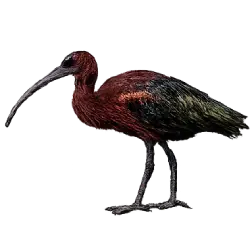
Glossy IbisC
Spreading fast through the Camargue gardoise and the Aigues-Mortes marshes, where it has already been logged by local users.
Spotting note: Increasingly common in spring and autumn.
Read species guide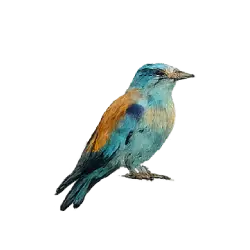
European RollerD
The electric-blue bird of the Herault and Gard plains, perched on wires beside vineyards from May to August.
Spotting note: Uncommon; drive the back roads around Aigues-Mortes in June.
Read species guide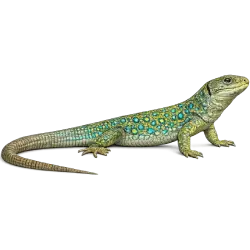
Ocellated LizardD
Lives in the garrigue and dry-stone walls around Pezenas and the Herault plateaus, the biggest lizard in Europe.
Spotting note: Uncommon and shy; hot mornings in April and May.
Read species guide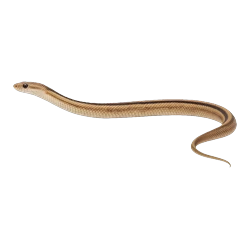
Ladder SnakeE
A harmless southern snake of vineyards and stone walls across Languedoc, named for the ladder pattern on juveniles.
Spotting note: Occasional on warm evenings; often seen crossing quiet roads.
Read species guide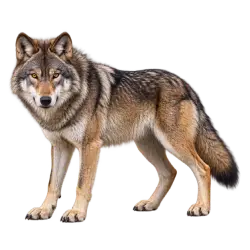
Eurasian WolfA
The Parc Animalier de Gramat in the Lot keeps a European wolf pack in a big forest enclosure, and a few wild wolves now roam the Aubrac and Cévennes.
Spotting note: Guaranteed at Gramat; wild sightings are exceptional.
Read species guideBest for
Use this section to decide whether the location fits your travel style, skill level, and AnimalDex goals.
- Vulture watching in the Gorges de la Jonte and Tarn
- High Pyrenees mammals: marmots, isard and the chance of a bearded vulture
- Lagoon birds along the Languedoc coast
- Reptiles and insects in the Herault garrigue
Spotting tips
These tips are meant to make the page useful in the field, not just readable on the page.
- 01The Jonte vultures are most active between 10 am and 2 pm when thermals build; mornings are dead.
- 02Caroux mouflon come down to the heath edges in the last hour of light; the Col de l'Ourtigas is a good start.
- 03In the Pyrenees, stay above the treeline after the lifts close; marmots and isard relax when the crowds leave.
- 04Thau lagoon flamingos are easy from the lay-bys on the lido road between Sete and Marseillan; bring a long lens.
Virtual Wildlife Guides
Wildlife guides to Occitanie
AnimalDex builds virtual guides from explorers' own wild sightings: which animals they found, how rare they are, and when. A guide is advice from someone who has been there, not a tour. Buying one unlocks the author's notes for every animal, a chat with the author, and introductions to local people they met. Wildlife is never guaranteed.
Checking for virtual guides to Occitanie...
How to choose a local wildlife guide in Occitanie
- Ask what they usually find in the season you are visiting. A good guide gives an honest answer, not a promised sighting.
- Check how they treat animals: no baiting, calling in, handling, or close flash photography for a better shot.
- Confirm the meeting area, duration, group size, total price, and how you pay before the day, plus any permits or park fees the place requires.
Track the animals you find in Occitanie
Build your collection while you travel through Occitanie, from easy wins to the species worth planning around.
Related locations
Keep exploring with nearby or similar destinations that support the same kind of AnimalDex discovery.
Animals in France: What You Can Spot, Learn, and Collect
What wildlife lives in France, from Alpine ibex and Mercantour wolves to Camargue flamingos, Alsace storks, Breton puffins and the garden birds people log most.
Read location guideAnimals on the French Riviera and in Provence: What You Can Spot, Learn, and Collect
Wildlife of Provence-Alpes-Côte d'Azur: Camargue flamingos and pond terrapins, Mercantour wolves and ibex, Hermann's tortoises in the Maures, and summer cicadas.
Read location guideAnimals in Spain: What You Can Spot, Learn, and Collect
A practical Spain wildlife guide built around Mediterranean coasts, dry-country birds, wetlands, and the broad habitat mix that makes the country stronger than beach-only travel suggests.
Read location guideLocation FAQ
Short direct answers to the questions travelers usually ask before choosing a wildlife destination or zoo day.
What wildlife is there in Occitanie?
Brown bears, bearded vultures, marmots, isard and desmans in the Pyrenees; griffon, cinereous and bearded vultures over the Gorges de la Jonte; mouflon on the Caroux; flamingos, rollers and bee-eaters on the Languedoc coast; and ocellated lizards and ladder snakes in the garrigue.
What animals can be found in the French Pyrenees?
Alpine marmot, isard (Pyrenean chamois), brown bear, bearded vulture, golden eagle, Pyrenean desman, Pyrenean brook newt, red deer, wild boar and, increasingly, wolves on the eastern end.
Are there bears in the Pyrenees?
Yes, around 90 brown bears, most of them in Ariege and the Haute-Garonne. They avoid people and encounters are extremely rare; hikers almost never see one.
Where is the best place to see vultures in France?
The Belvedere des Vautours at Le Truel in the Gorges de la Jonte, where griffon, cinereous, bearded and Egyptian vultures can all be seen on a good day in late spring.
Have AnimalDex users found animals in Occitanie?
Yes. AnimalDex users have publicly logged 26 captures of 21 different species in Occitanie, including daddy long-legs spider, european rhinoceros beetle, house fly, red deer. Each one was photographed in the app at the moment of the sighting.
How do I find a wildlife guide to Occitanie?
Check the Wildlife Guides section on this page or browse Wildlife Guides on AnimalDex. Each one is a virtual guide built from an explorer's own wild sightings around Occitanie: the animals they found, how rare they are, and when. It is advice from someone who has been there, not a tour. If you want someone with you on the day, compare local guides on wildlife knowledge, how they treat animals, and clear pricing before you go.